-
 Researchers recently traced the birthplace of the world’s dominant cotton species to the Yucatán Peninsula in Mexico. Their sleuthing also uncovered a treasure trove of genetic diversity in wild populations, which could eventually make the crop more resilient.
 -
 Sargento has developed a natural American cheese, hoping to give consumers classic melt without added ingredients.
 -
 Biden-era changes to the Clean Air Act would have tightened regulations for industrial sites, but the Trump administration has given exemptions to hundreds of facilities. People living near the sites are concerned about air quality and their well-being.
 -
 People have harvested wild foods for millennia, but learning how to do it today is harder, because fewer people have those skills. These groups are teaching people to eat "field to fork" again.
 -
 Across the central U.S., more communities are passing ordinances to regulate renewable infrastructure development. A University of Missouri study examines the economic impact of renewable energy in rural areas.
 -
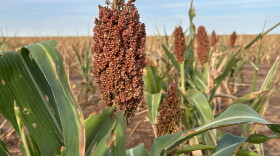 More farmers are showing interest in sorghum, a drought-tolerant grain. The crop is poised to expand in the U.S. – especially if Americans start consuming it.
 -
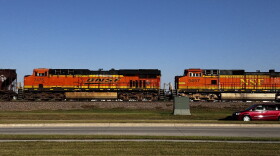 Harvest season is nearing for many farmers. But the railroads that transport their harvested grain have raised their shipping costs with record-high diesel prices. That could mean lower grain prices for growers.
 -
 Conflicts in Iran and Russia are causing diesel prices to spike globally. That’s especially hurting U.S. farmers as they head into harvest season, the most fuel intensive period of the agricultural year.
 -
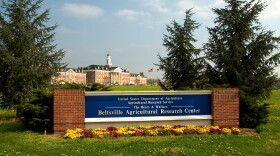 Federal scientists are still scrambling to find new jobs or relocate across the country as Maryland’s Beltsville Agricultural Research Center’s last days of operation approach. Even as their personal lives upend, employees are concerned that BARC’s legacy of impactful research will be left behind.
 -
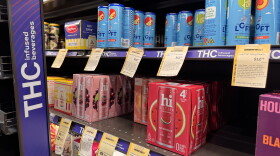 Beginning in December, new federal restrictions will make many hemp products illegal. Businesses in the industry are getting ready to close down most or all of their operations, while advocates hope there's still time to change course before the ban begins.

© 2026 WNIJ and WNIU
Northern Public Radio
801 N 1st St.
DeKalb, IL 60115
815-753-9000
Northern Public Radio
801 N 1st St.
DeKalb, IL 60115
815-753-9000
Northern Public Radio
Play Live Radio
Next Up:
0:00
0:00
Available On Air Stations


